

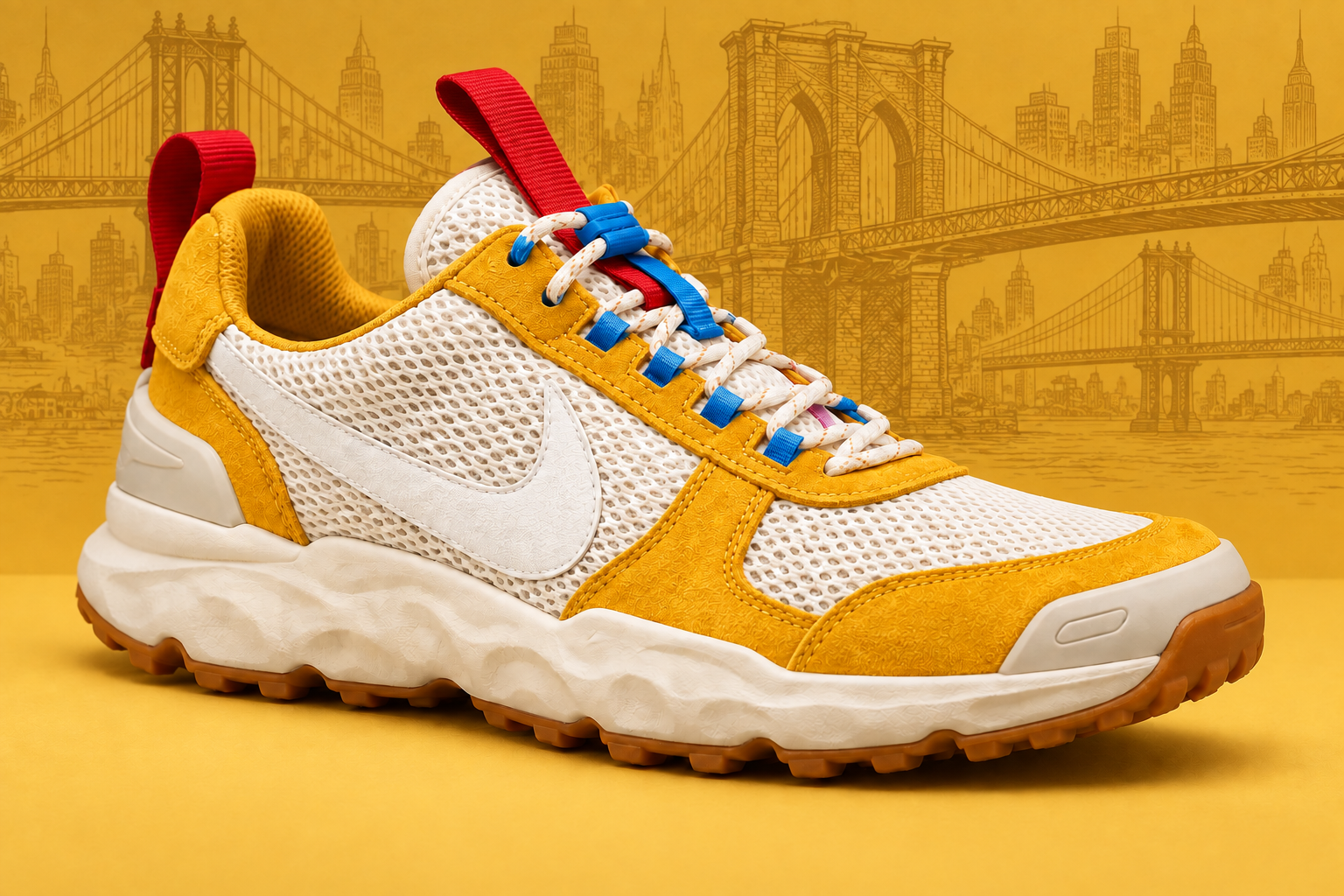
For decades, running shoes were designed with a clear purpose: helping athletes run with greater comfort, stability, and speed. Some models, however, crossed the finish line of functionality and entered the world of fashion for good.
Silhouettes originally created for athletics tracks, roads, and parks began appearing at concerts, offices, airports, and major urban centers. Nylon, suede, leather, rubber soles, and vintage color combinations became defining elements of what we now call the retro running aesthetic.
These are not simply old shoes that came back into fashion. They are small archives of sporting culture—stories we continue to carry on our feet.
When Running Became Part of Popular Culture.
This transformation began primarily between the 1960s and 1980s, when running moved beyond competitive athletics and conquered the streets.
The growing popularity of jogging created an entirely new market. Footwear companies began developing lighter, more comfortable shoes for pavement. Nylon uppers, suede overlays, foam midsoles, and specially designed rubber outsoles appeared to provide better traction and protection.
By today’s standards, these shoes may look low-profile, simple, and almost minimalist. At the time, however, they represented genuine innovation. Curiously, it was precisely this visual simplicity that enabled them to survive for decades amid changing fashion.
Nike Cortez: The Shoe That Ran Into Pop Culture.

Released in 1972, the Nike Cortez was developed by Bill Bowerman, an athletics coach and co-founder of Nike. His objective was to create a running shoe that was lighter, more comfortable, and suitable for longer distances.
Its construction combined a simple upper, a cushioned midsole, and a wider heel. This geometry was functional for the running demands of the period, but it also created an immediately recognizable visual identity.
The Cortez took over the streets of California, became part of Los Angeles culture, and appeared in movies, music, and television. Few shoes have moved so naturally between runners, cultural communities, and cinematic characters.
Today, it works particularly well with jeans, straight-leg trousers, basic T-shirts, and jackets. Its low-profile silhouette preserves its sporting spirit without making an outfit look like gym wear. Nike itself describes the Cortez as a revolutionary running shoe that evolved into a pop culture icon. Discover the history of the Nike Cortez.
Adidas SL 72: Olympic Lightness With European Elegance.

Its name already reveals part of its original purpose: “SL” stands for Super Light. Introduced in 1972, the adidas SL 72 was created for track-and-field athletes at a time when reducing a shoe’s weight represented an important competitive advantage.
Its nylon upper and suede overlays offered a combination of lightness and structure. The slim profile, three side stripes, and vibrant color combinations created an appearance that remains surprisingly contemporary.
Decades later, the SL 72 found a new audience. It began appearing alongside relaxed tailoring, wide-leg trousers, vintage sportswear, and minimalist clothing. It became one of the symbols of the return of low and slender sneakers, standing in contrast to years dominated by excessively bulky footwear.
Adidas recognizes the SL 72 as a shoe connected to the running boom of the 1970s and as an archival silhouette that continues to be reinterpreted by Adidas Originals. Explore the story of the adidas SL 72.
Puma Easy Rider: When Running Left the Track.

The PUMA Easy Rider was born in the late 1970s, precisely when recreational running began moving from athletics tracks to city streets.
Introduced in 1977, it featured a light, elongated profile and an outsole designed to absorb impact and provide traction on urban surfaces. It belonged to the emergence of a new kind of athlete: the everyday runner, who did not necessarily train to compete but ran for health, pleasure, and lifestyle.
Its uncomplicated design helped the Easy Rider age gracefully. Contemporary versions retain their slim shape and combination of nylon, leather, and suede, preserving the sporting atmosphere of the 1970s without looking like museum pieces.
PUMA describes the model as a bridge between generations and a reflection of the period when running conquered the streets. Discover the return of the PUMA Easy Rider.
New Balance 574: Versatility That Became an Identity.

The New Balance 574 was not created to be a luxurious product or a technological showcase. It was conceived as a dependable shoe capable of performing well in a range of conditions and handling both pavement and less predictable terrain.
This hybrid purpose shaped its appearance: a broad base, structured midsole, mesh-and-suede upper, and the large “N” on each side. The result was a comfortable and durable silhouette that looked less delicate than the running shoes of the 1970s.
For many years, the 574 was associated with a discreet and functional style. Eventually, its unpretentious appearance became its greatest charm. Different generations adopted the shoe, carrying it through universities, offices, alternative music scenes, and everyday urban life.
New Balance describes it as an “unlikely icon”—a shoe that became a classic precisely because it performed many different tasks well without trying to appear spectacular. There is something delightfully punk about that: becoming famous without asking for permission. Discover the New Balance 574.
Saucony Jazz Original: The Runner That Found Independent Fashion.

Released in 1981, the Saucony Jazz became one of the silhouettes that best represented the golden age of running footwear.
Its design combined mesh or nylon with suede reinforcements, a structured heel, and a triangular outsole pattern. This construction offered stability and lightness by the standards of the period while creating an instantly recognizable sporting appearance.
The Jazz never received the same cultural exposure as the Cortez, but it found a special place among people who prefer less obvious models. Its visual language connects naturally with alternative rock, indie culture, punk, and vintage streetwear. It is a classic for those who do not necessarily want to wear the same shoes as everyone else.
Saucony describes the Jazz as a celebration of its running heritage and a silhouette that has secured its place in the world of fashion sneakers. Explore the history of Saucony and the Jazz.
ASICS GEL-LYTE III: 1990s Technology Transformed Into Design.

Designed by Shigeyuki Mitsui and released in 1990, the ASICS GEL-LYTE III represents a different stage in the evolution of running footwear.
While shoes from the 1970s focused primarily on lightness and simplicity, the GEL-LYTE III featured a more complex construction. Its most recognizable element is the split tongue, developed to reduce lateral movement and improve the fit around the foot. The shoe also incorporated ASICS GEL cushioning technology.
Its technical appearance, asymmetrical overlays, and countless color possibilities attracted the attention of sneaker culture. The GEL-LYTE III subsequently received collaborations, special materials, and limited editions, becoming a kind of canvas for designers.
Current versions preserve their original shape and distinctive split tongue while introducing materials and finishes adapted to contemporary everyday use. Discover the ASICS GEL-LYTE III OG.
Reebok Classic Nylon: Simple 1980s Sportswear.

The Reebok Classic Nylon made its debut in 1984, during a period of enormous growth in gym culture, recreational running, and sportswear fashion.
Its construction combined nylon and suede, creating a lightweight, relatively affordable, and visually versatile shoe. Unlike more technologically aggressive models, the Classic Nylon maintained clean lines and restrained proportions.
Over time, it was no longer viewed exclusively as athletic footwear. It began occupying the same cultural space as basic T-shirts and denim jackets: a simple piece that could move between many different styles.
It is a model that does not need to shout to be recognized. In a world filled with sneakers that look like spaceships, its discretion feels almost rebellious.
Onitsuka Tiger Mexico 66: From Olympic Trials to Cinema and the Streets.

The Mexico 66 brings together elements from training and running shoes developed by Onitsuka Tiger during the 1960s. Its origins are tied to LIMBER-UP, introduced in 1961, and to a 1966 design featuring the now-famous Tiger Stripes.
Its extremely low profile, flexible leather construction, and narrow shape allowed it to move easily from sport into fashion. Decades later, appearances in cinema and its distinctive Japanese identity expanded its recognition worldwide.
Today, the Mexico 66 is far more closely associated with casual style than athletic performance. It combines Olympic references, Japanese minimalism, and pop culture in a single silhouette. Read the official history of Mexico 66.
Why Did These Shoes Return?
The revival of classic running shoes did not happen by accident. It reflects a combination of cultural movements.
First, there is nostalgia. These models evoke decades defined by the expansion of road running, rock music, cassette tapes, early video games, and the rise of sportswear as everyday clothing.
There is also a renewed interest in simpler silhouettes. After years dominated by bulky sneakers, many people have returned to low-profile, slender shoes that are easier to combine with different outfits.
Another important factor is authenticity. These models were not designed merely to look vintage. They genuinely belong to sporting history. Every seam, reinforcement, and outsole pattern was originally created to solve a practical problem.
Finally, there is versatility. A retro runner can be worn with sportswear, jeans, tailored pieces, leather jackets, or band T-shirts. It represents the meeting point between movement and everyday life.
Classic Does Not Mean Ideal for Running Today.
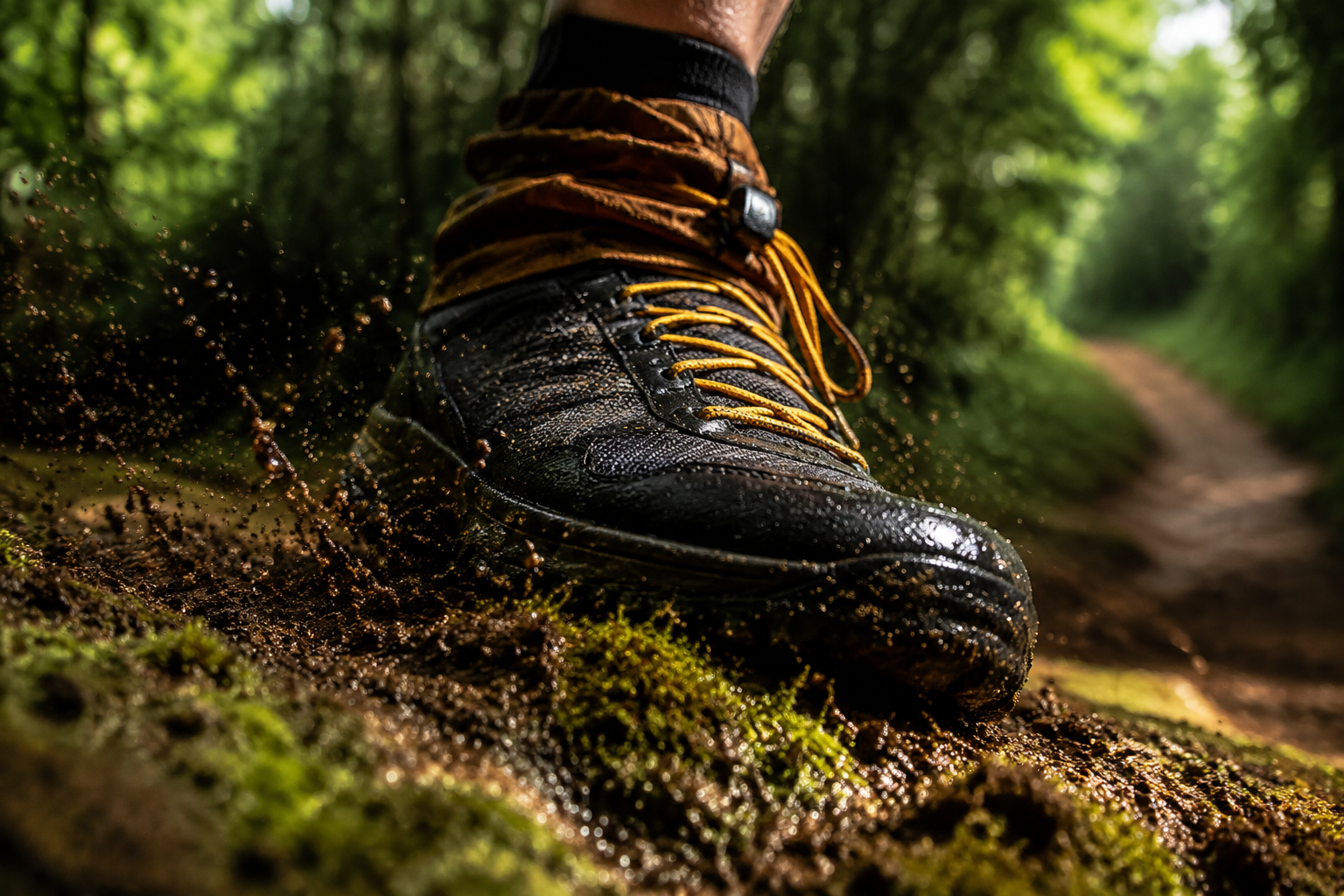
An important distinction must be made: although these models were born in the world of running, their contemporary lifestyle versions do not provide the same resources as modern performance shoes.
The development of advanced foams, midsole geometries, stability systems, and improved fits has made modern footwear far more suitable for regular training and long-distance running. A Cortez, SL 72, or Mexico 66 may be excellent for styling an outfit, but it should not automatically be chosen for running simply because of its sporting origins.
These shoes carry the memory of running, but not necessarily the technology required for contemporary training. For the road, choose performance. For crossing the city with personality, the classics can still fly low.
The Past Still Walks With Us.
The great classic running shoes survived because they represent more than a passing trend. They document the moment when running became part of everyday life and sportswear began breaking free from the boundaries of stadiums and athletics tracks.
The Nike Cortez, adidas SL 72, PUMA Easy Rider, New Balance 574, Saucony Jazz, ASICS GEL-LYTE III, Reebok Classic Nylon, and Onitsuka Tiger Mexico 66 were born in different periods, but they followed remarkably similar paths: first, they helped people move; later, they helped entire generations express who they were.
Technologies grow old. Great design, however, will always find a new street to travel.
Da Pista Para As Ruas: Tênis Clássicos de Corrida que se Tornaram Ícones Contemporâneos.

Durante décadas, os tênis de corrida foram desenvolvidos com uma missão bastante objetiva: ajudar atletas a correr com mais conforto, estabilidade e velocidade. Contudo, alguns modelos atravessaram a linha de chegada da funcionalidade e entraram definitivamente no território da moda.
Silhuetas que nasceram em pistas de atletismo, estradas e parques passaram a circular por shows, escritórios, aeroportos e grandes centros urbanos. Nylon, camurça, couro, solados de borracha e combinações de cores vintage tornaram-se elementos de uma estética que hoje chamamos de retro running.
Não são apenas os tênis antigos que voltaram à moda. São pequenos arquivos da cultura esportiva — histórias que continuamos carregando nos pés.
Quando correr se tornou parte da cultura.
A transformação começou principalmente entre as décadas de 1960 e 1980, período em que a corrida deixou de ser uma prática restrita aos atletas competitivos e conquistou as ruas.
O crescimento do jogging criou um novo mercado. As empresas passaram a buscar calçados mais leves, confortáveis e adaptados ao asfalto. Surgiram cabedais de nylon, reforços de camurça, entressolas de espuma e solados desenhados para oferecer maior tração.
Para os padrões atuais, esses tênis parecem baixos, simples e quase minimalistas. Na época, porém, representavam inovação. O curioso é que foi justamente essa simplicidade visual que lhes permitiu sobreviver às mudanças da moda.
Nike Cortez: o tênis que correu para dentro da cultura pop.
Lançado em 1972, o Nike Cortez foi desenvolvido por Bill Bowerman, treinador de atletismo e cofundador da Nike. O objetivo era criar um tênis de corrida mais leve, confortável e adequado às longas distâncias.
Sua construção combinava cabedal simples, entressola acolchoada e solado mais largo na região do calcanhar. Essa geometria, funcional para a corrida da época, também criou uma identidade visual imediatamente reconhecível.
O Cortez ganhou as ruas da Califórnia, tornou-se parte da cultura urbana de Los Angeles e passou a aparecer no cinema, na música e na televisão. É difícil encontrar outro modelo que tenha transitado com tanta naturalidade entre corredores, grupos culturais e personagens cinematográficos.
Hoje, ele combina especialmente bem com jeans, calças de corte reto, camisetas básicas e jaquetas. Sua silhueta baixa conserva o espírito esportivo sem transformar o visual em roupa de academia. Segundo a própria Nike, o modelo passou de um tênis de corrida revolucionário a um ícone da cultura popular. Conheça a história do Nike Cortez.
Adidas SL 72: leveza olímpica com elegância europeia.
O nome já revela parte de sua proposta: “SL” significa Super Light. Apresentado em 1972, o adidas SL 72 foi criado para atletas de pista e campo, em uma época em que reduzir o peso do calçado representava uma vantagem importante.
Seu cabedal de nylon, com sobreposições de camurça, oferecia leveza e estrutura. O perfil estreito, as três listras laterais e as combinações vibrantes de cores criaram uma aparência que continua surpreendentemente atual.
Décadas depois, o SL 72 encontrou um novo público. Passou a ser usado com alfaiataria descontraída, calças amplas, peças esportivas vintage e roupas minimalistas. Tornou-se um dos símbolos do retorno dos tênis baixos e finos, em contraposição à era dos modelos excessivamente robustos.
A adidas reconhece o SL 72 como uma criação ligada ao crescimento da corrida nos anos 1970 e como uma silhueta que continua sendo reinterpretada por sua linha Originals. Veja a trajetória do adidas SL 72.
Puma Easy Rider: quando a corrida saiu da pista.
O PUMA Easy Rider nasceu no final dos anos 1970, justamente quando a corrida recreativa começou a migrar das pistas para as ruas.
Apresentado em 1977, possuía um perfil leve e alongado, além de um solado projetado para absorver impactos e oferecer tração em superfícies urbanas. Era um produto conectado ao nascimento de uma nova figura: o corredor comum, que treinava não necessariamente para competir, mas por saúde, prazer e estilo de vida.
O desenho simples ajudou o Easy Rider a envelhecer bem. Em sua versão contemporânea, mantém o formato estreito e as combinações de nylon, couro e camurça, carregando aquele ar esportivo dos anos 1970 sem parecer uma peça de museu.
A própria PUMA descreve o modelo como uma ponte entre gerações e um retrato da época em que correr conquistou as ruas. Conheça o retorno do PUMA Easy Rider.
New Balance 574: a versatilidade que virou identidade.
O New Balance 574 não surgiu para ser uma peça luxuosa ou uma vitrine tecnológica. Foi concebido como um tênis confiável, capaz de desempenhar diferentes funções e de enfrentar tanto o asfalto quanto terrenos mais irregulares.
Essa proposta híbrida determinou sua aparência: base larga, entressola estruturada, cabedal em mesh e camurça e o grande “N” nas laterais. O resultado foi uma silhueta confortável, resistente e menos delicada do que a dos corredores dos anos 1970.
Durante muito tempo, o 574 esteve associado a um estilo discreto e funcional. Depois, sua aparente falta de pretensão tornou-se exatamente seu maior charme. O tênis foi incorporado por diferentes gerações, transitando entre universidades, escritórios, cenas musicais alternativas e o cotidiano urbano.
A New Balance o define como um “ícone improvável”: um calçado que se tornou clássico justamente por fazer muitas coisas bem, sem tentar parecer espetacular. E talvez exista algo deliciosamente punk nisso — tornar-se famoso sem pedir licença. Veja a história e as características do New Balance 574.
Saucony Jazz Original: o corredor que encontrou a moda independente.
Lançado em 1981, o Saucony Jazz tornou-se uma das silhuetas mais representativas da chamada idade de ouro dos tênis de corrida.
Seu desenho reunia mesh ou nylon, reforços de camurça, calcanhar estruturado e solado triangular. A combinação oferecia estabilidade e leveza para os padrões do período, além de criar uma estética esportiva imediatamente identificável.
O Jazz nunca teve a mesma exposição cultural do Cortez, mas conquistou um espaço especial entre pessoas que preferem modelos menos óbvios. Seu visual conversa com o rock alternativo, o indie, o punk e o streetwear vintage. É um tênis para quem gosta de clássicos, mas não deseja usar exatamente o mesmo par que todos os outros.
A Saucony considera o Jazz uma celebração de sua história na corrida e uma silhueta que consolidou seu lugar entre os tênis casuais de moda. Conheça a história da Saucony e do Jazz.
ASICS GEL-LYTE III: tecnologia dos anos 1990 transformada em design.
Criado pelo designer Shigeyuki Mitsui e lançado em 1990, o ASICS GEL-LYTE III representa uma fase distinta na evolução dos tênis de corrida.
Enquanto os modelos da década de 1970 buscavam principalmente leveza e simplicidade, o GEL-LYTE III adotou uma construção mais complexa. Seu elemento mais famoso é a língua dividida ao meio, desenvolvida para reduzir deslocamentos e melhorar o ajuste. O modelo também utilizava a tecnologia GEL para o amortecimento.
A aparência técnica, os recortes assimétricos e as possibilidades de combinação de cores chamaram a atenção da cultura sneaker. O tênis passou a receber colaborações, materiais especiais e edições limitadas, transformando-se em uma espécie de tela para designers.
As versões atuais preservam o formato original e a língua bipartida, mas utilizam materiais e acabamentos voltados ao uso cotidiano. Conheça o ASICS GEL-LYTE III OG.
Reebok Classic Nylon: simplicidade esportiva dos anos 1980.
O Reebok Classic Nylon estreou em 1984, durante um período de enorme expansão das academias, da corrida recreativa e da moda esportiva.
Sua construção combinava nylon e camurça, resultando em um tênis leve, relativamente acessível e visualmente versátil. Ao contrário de modelos mais tecnológicos, o Classic Nylon mantinha linhas limpas e proporções discretas.
Com o tempo, deixou de ser percebido apenas como calçado esportivo e passou a ocupar o mesmo espaço das camisetas básicas e das jaquetas jeans: uma peça simples que pode atravessar diferentes estilos.
É um modelo que não precisa gritar para ser reconhecido. Em um mundo cheio de tênis que parecem naves espaciais, sua discrição chega a ser uma rebeldia.
Onitsuka Tiger Mexico 66: das provas olímpicas ao cinema e às ruas.
O México 66 reúne elementos de modelos de treinamento e corrida desenvolvidos pela Onitsuka Tiger durante os anos 1960. Sua origem está ligada ao LIMBER-UP, lançado em 1961, e ao desenho criado em 1966, que apresentou as famosas listras Tiger.
O perfil extremamente baixo, o couro flexível e o formato estreito fizeram com que o modelo transitasse facilmente do esporte para a moda. Décadas depois, suas aparições no cinema e sua forte identidade japonesa ampliaram seu reconhecimento mundial.
Atualmente, o México 66 é muito mais associado ao estilo casual do que ao desempenho esportivo. Ele combina referências olímpicas, minimalismo japonês e cultura pop em uma única silhueta. Leia a história oficial do México 66.
Por que esses tênis voltaram?
O retorno dos tênis clássicos de corrida não foi por acaso. Ele reflete uma combinação de movimentos culturais.
Primeiro, existe a nostalgia. Os modelos despertam lembranças de décadas marcadas pelo crescimento da corrida de rua, pelo rock, pelas fitas cassete, pelos primeiros videogames e pela consolidação da moda esportiva.
Também há uma busca por silhuetas mais simples. Depois de anos dominados por tênis volumosos, muitas pessoas voltaram a preferir calçados baixos, estreitos e fáceis de combinar.
Outro fator é a autenticidade. Esses modelos não foram desenhados apenas para parecerem antigos. Eles realmente pertencem à história do esporte. Cada costura, reforço ou formato de solado nasceu para atender a uma necessidade prática de sua época.
Por fim, há a versatilidade. Um retro runner pode ser usado com roupas esportivas, jeans, peças de alfaiataria, jaquetas de couro ou camisetas de banda. É o encontro entre o movimento e o cotidiano.
Clássico não significa ideal para correr hoje.
É importante fazer uma distinção: embora esses modelos tenham nascido no universo da corrida, suas versões casuais não têm os mesmos recursos dos tênis de performance contemporâneos.
A evolução das espumas, da geometria das entressolas, da estabilidade e do ajuste tornou os calçados modernos mais adequados para treinos regulares e corridas de longa distância. Um Cortez, SL 72 ou México 66 pode ser excelente para compor um visual, mas não deve ser automaticamente escolhido para correr apenas por causa de sua origem esportiva.
Eles carregam a memória da corrida, não necessariamente a tecnologia necessária para o treino atual. Para o asfalto, use desempenho. Para atravessar a cidade com personalidade, os clássicos continuam voando baixo.
O passado ainda caminha conosco.
Os grandes tênis clássicos sobreviveram porque representam mais do que uma tendência. Eles registram o momento em que a corrida passou a fazer parte da vida cotidiana e em que o vestuário esportivo começou a romper os limites dos estádios.
Nike Cortez, adidas SL 72, PUMA Easy Rider, New Balance 574, Saucony Jazz, ASICS GEL-LYTE III, Reebok Classic Nylon e Onitsuka Tiger Mexico 66 nasceram em épocas diferentes, mas percorreram uma trajetória semelhante: primeiro ajudaram pessoas a se movimentar; depois, ajudaram gerações inteiras a expressar quem eram.
As tecnologias envelhecem. O bom desenho, porém, encontra sempre uma nova rua para percorrer.
References / Referências
adidas. (2024, March 28). Adidas Originals pays homage to the past, present, and future of the SL 72 silhouette. adidas News. Retrieved July 31, 2026.
ASICS. (n.d.). GEL-LYTE III OG. The official product history identifies Shigeyuki Mitsui as its designer and documents the split-tongue construction introduced in 1990. ASICS. Retrieved July 31, 2026.
New Balance. (n.d.). 574 Core. New Balance. Retrieved July 31, 2026.
Nike. (2024, April 5). The history of the Cortez. Nike. Retrieved July 31, 2026.
Onitsuka Tiger. (n.d.). Mexico 66. Onitsuka Tiger. Retrieved July 31, 2026.
PUMA. (2024, January 12). The classic PUMA Easy Rider embraces running nostalgia. PUMA. Retrieved July 31, 2026.
Reebok. (n.d.). Classic Nylon shoes. Reebok. Retrieved July 31, 2026.
Saucony. (n.d.). Saucony history: Shoe designer & manufacturer. The official timeline records the Jazz’s 1981 introduction and its evolution from retro running footwear into a fashion classic. Saucony. Retrieved July 31, 2026.



Leave a Reply