

Pip: felippemaranhao.com is a site where the body gets taken seriously — as a thinking, feeling, culturally situated thing that also occasionally needs to run a marathon and do a muscle-up.
Mara: Felippe Maranhão’s recent posts cover a lot of ground: what it means for movement to function as language in Physical Education, how music interacts with the running body, what calisthenics actually builds, the invisible recovery work behind marathon training, and a pedagogical framework for inclusive lesson design.
Pip: Let’s start with the biggest idea — movement as language, and what Physical Education looks like when you take that seriously.
Movement, Rhythm, And Embodied Experience.
Mara: The central claim here is that movement isn’t just displacement or technique — it’s a meaning-making system. Before a child can write their name, the post argues, they’re already communicating through gesture, rhythm, and physical response to the world.
Pip: And the post is direct about what that implies for teaching. The setup before the key line is that bodies carry more than biology — they carry culture. Here’s the quote: “We do not move only muscles and joints; we move histories.”
Mara: That’s the work of Daolio, cited in the post, who helped establish within Brazilian Physical Education the understanding that the body is culturally constructed. Walking, greeting, dancing — none of those are neutral acts. They acquire form and meaning inside a society.
Pip: So the upshot is that a Physical Education class isn’t just a skills session. It’s a site where cultural knowledge is transmitted, negotiated, and sometimes challenged.
Mara: Right. The post frames this through what it calls four dimensions of movement-as-language: intention, relationship, culture, and knowledge. Movement as intention draws on Kunz’s idea of self-moving — the child isn’t simply executing commands, they’re attributing meaning and making decisions. Movement as a relationship shows that a pass exists only because someone is there to receive it.
Pip: Which sounds obvious until you realize how many lessons are designed as if the body were solo.
Mara: Movement as culture brings in examples like capoeira — the ginga, the berimbau, the call-and-response between bodies — that biomechanics alone can’t explain. And movement-as-knowledge connects to embodied cognition research: thinking with the body isn’t the opposite of thinking.
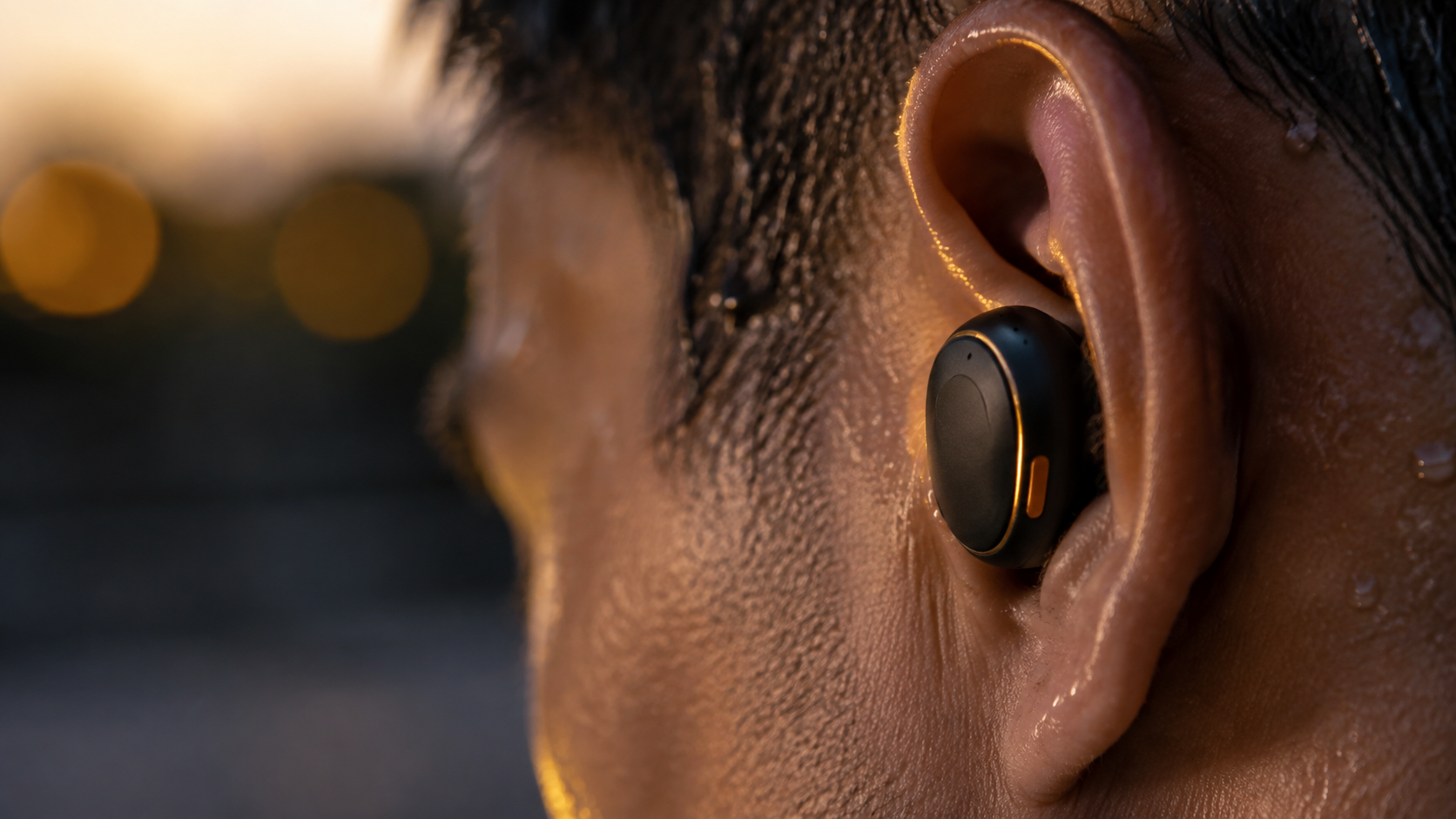
Pip: The post also covers physical literacy, which it describes as a continuous individual journey — not a checklist completed in childhood. The music post fits here too: it looks at how rhythm and auditory-motor synchronization literally reorganize the body’s timing during a run, which is movement-as-language operating through sound.
Mara: And the calisthenics post extends the embodied-knowledge argument into the realm of training. Its core claim is that modern calisthenics teaches the body to produce, control, and absorb force — and that “its greatest value is not restricted to movements that appear to defy gravity. It lies in learning to understand and command the body.”
Pip: Assessment, the movement-as-language post argues, has to follow: if you recognize multiple forms of expression, you can’t only reward whoever runs fastest or already owns sporting expertise.
Mara: Which sets up the question of how you actually design for that — and that’s where the teaching framework comes in.
Training Beyond The Workout.
Mara: Marathon preparation, one post argues, is mostly invisible — built in the hours when no watch is recording.
Pip: The framing is blunt: “Training provides the stimulus. Recovery turns that stimulus into adaptation.” Sleep, nutrition, strength work, hydration, emotional health, and logistics are all load-bearing parts of the plan, not optional extras.
Mara: What this means in practice is that accumulated training without adequate recovery can produce persistent performance decline, mood changes, poor sleep, and greater injury vulnerability. The post calls this out directly and offers a weekly audit across eight dimensions — sleep, nutrition, hydration, strength, recovery, pain, emotions, and organization.
Pip: The body, the Post-it notes, does not distinguish between running stress, work stress, and sleepless nights. They all arrive in the same organism.
Mara: From there, the next question is how a teacher or coach designs the environment so that kind of whole-person load gets accounted for — not just the visible workout.
Teaching Frameworks And Learning Design.
Pip: P.R.O.T.E.G.E. is a methodological framework for Physical Education — seven levers a teacher can adjust when participation breaks down.
Mara: People, Resources, Organization of Rules, Time, Environment, Gestures, and Establishment of Roles. The post’s core argument is that when a student struggles, the first question shouldn’t be what’s wrong with the learner. The post puts it this way: “Instead of immediately treating the student as the source of the problem, the educator examines how the learning environment can be redesigned.”
Pip: So the upshot is a shift in diagnostic direction — from the child to the conditions around the child.
Mara: A lighter ball, a smaller space, a rotated role, additional time — each adjustment changes what the activity communicates and who can genuinely participate. The framework is designed to work before, during, and after a lesson, as a planning tool, a real-time adaptation guide, and a reflection prompt.
Pip: Seven variables. One body. Infinite configurations.
Mara: Across all of this — the body as cultural text, the invisible marathon, the pedagogical framework — the consistent thread is that the conditions around learning matter as much as the content inside it.
Pip: Bodies move histories, recoveries, and redesigned environments. Next time, we’ll see what else is on the site worth running with.
Leave a Reply